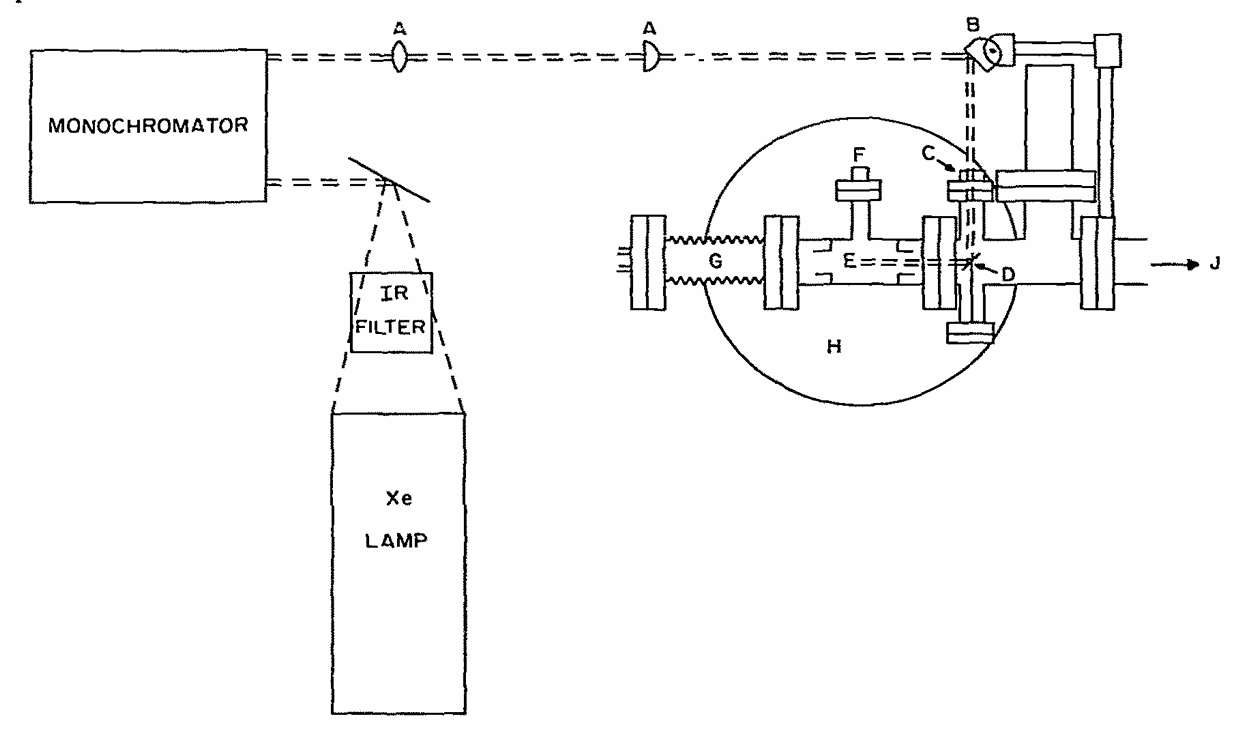
ABSTRACT: CREMSEE (cyclotron resonance from microwave-induced secondary electron emission), operated at a microwave power level just below threshold for self-sustaining signals may be used as an election-amplifier and detector of photoetectrons. A determination of the work function of air-oxidized Ag on the interior surface of a UHV-microwave cavity yields 4.06 ± 0.05 eV.
ABSTRACT: The complementary surface techniques of ultra-high vacuum (UHV) ESR and CREMSEE (cyclotron resonance from microwave-induced secondary electron emission) are described. It is shown in a study of a stable paramagnetic molecule on Cu and Ag surfaces, that it appears to lose its paramagnetism while forming a chemisorbed complex with the metal surface. Control experiments on air-oxidized Cu are also presented.
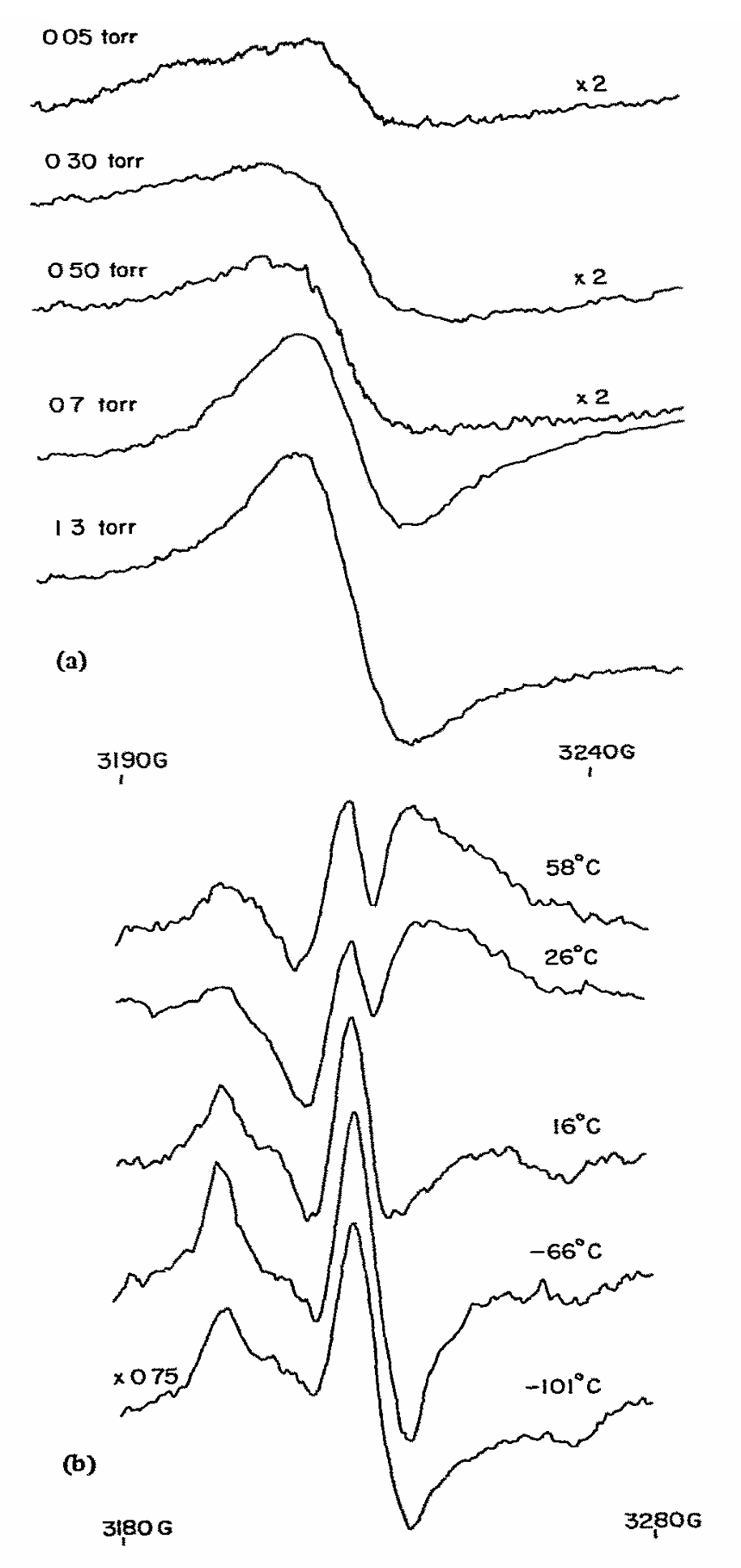
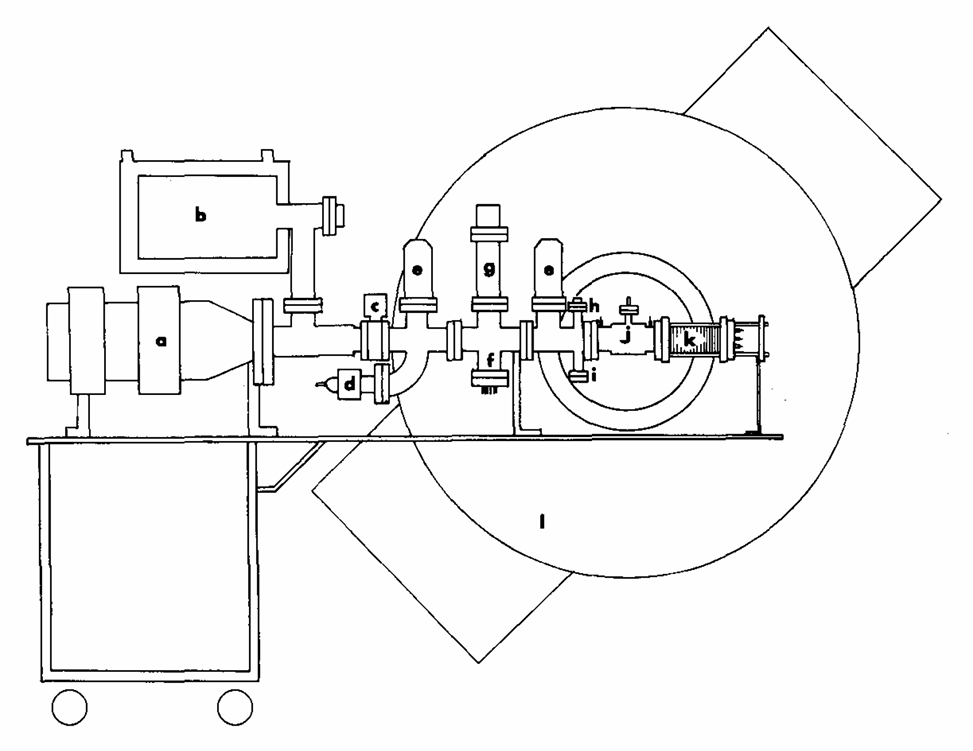
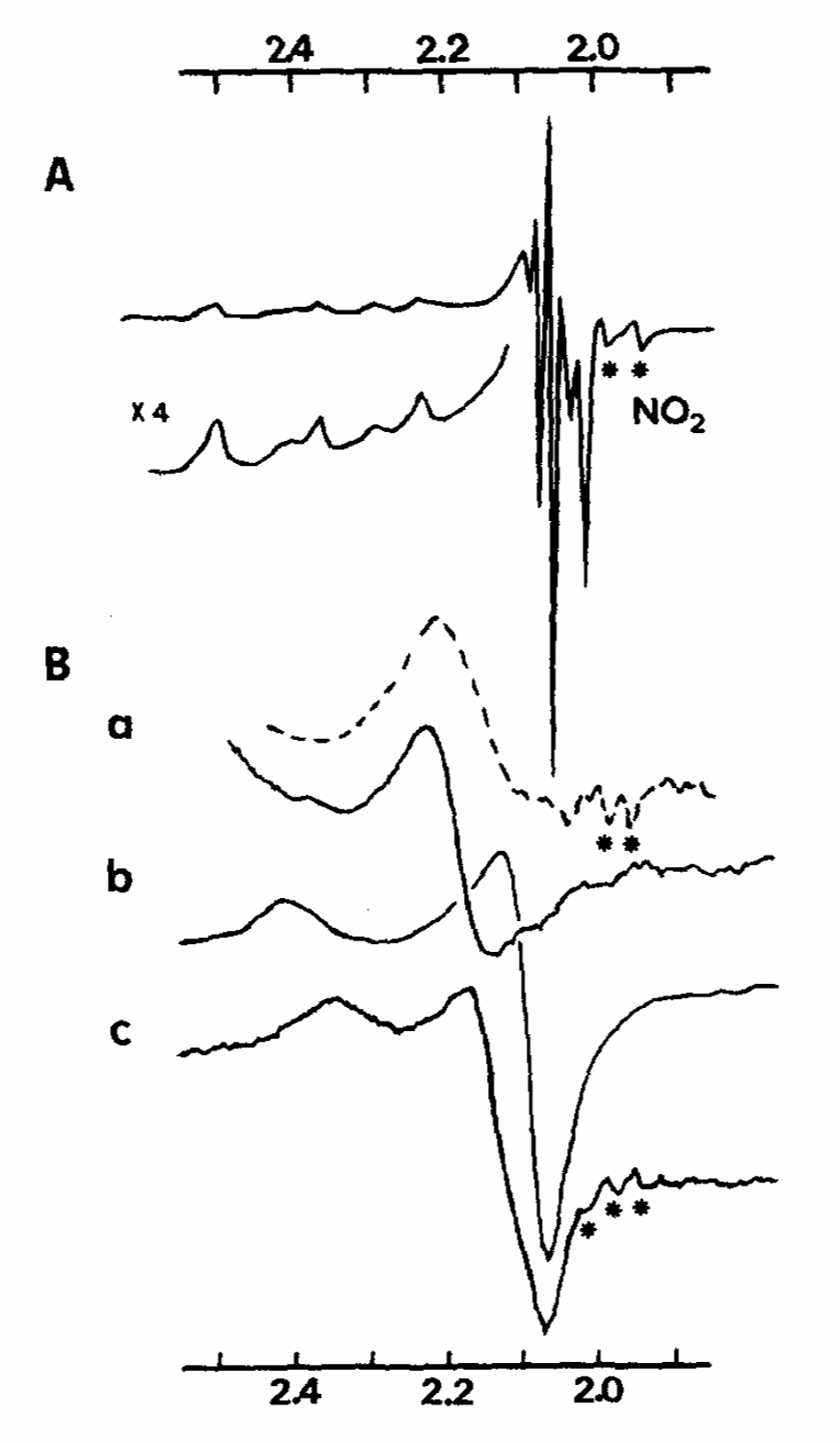
ABSTRACT: We describe in detail an experimental design which permits the high sensitivity study of ESR from paramagnetic species that may form on clean metal (and oxide) surfaces. The heart of the design is the ultra-high vacuum ESR cavity. The new phenomenon CREMSEE (cyclotron resonance from microwave–induced secondary electron emission), which is observed under high vacuum conditions, is characterized in some detail. In particular, it is found to be a sensitive indicator of surface bonding. The results of a detailed study of the reaction of NO2 with Cu performed in the UHV-ESR system are presented. It is shown that the initial oxidation process may be monitored by CREMSEE, while an ESR signal is only seen when H2O is present. The primary role of the H2O is to form a hydrated surface copper complex which is magnetically concentrated but microcrystalline. These results are then compared with a study on supported Cu performed under conventional vacuum conditions.
ABSTRACT: A resonant microwave cavity (Cylindrical Teoll mode) was employed to study NO2 adsorbed on Cu supported on Vycor, on Cu wires of 99.999% purity, and on evaporated Cu films. (AIP)
.svg)